How to Take Good Care of Your Reproductive System
Simple Steps to Support Lifelong Reproductive Health
Reproductive health is an essential part of overall well being. Whether you are planning a pregnancy, preventing one, or simply prioritizing long term wellness, caring for your reproductive system plays an important role in your quality of life.
Healthy habits, preventive care, and informed choices can reduce the risk of infections, hormonal imbalances, and fertility challenges. Understanding how your reproductive system functions is the first step toward protecting it.
Understanding the Female Reproductive System
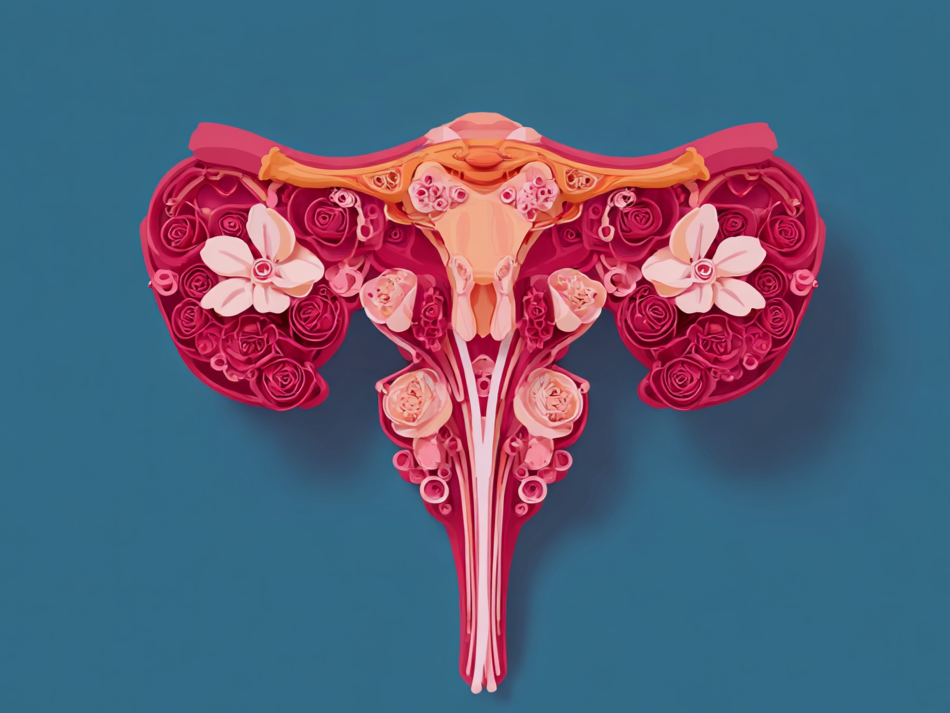
The female reproductive system includes both internal and external organs that work together to support menstruation, fertility, hormone production, and pregnancy.
Internal organs include:
Ovaries
Fallopian tubes
Uterus
Cervix
Vagina
External structures, known as the vulva, include:
Labia majora and labia minora
Clitoris
Vaginal opening
Urethral opening
The ovaries produce eggs and hormones such as estrogen and progesterone. During ovulation, an egg is released and may be fertilized in the fallopian tube. If fertilization does not occur, the uterine lining sheds during menstruation.
As women approach menopause, hormone levels gradually decline, leading to changes in menstrual cycles and eventually the end of menstruation.
Understanding this cycle helps you recognize what is normal and when to seek care.
Steps to Protect Your Reproductive Health
Reproductive wellness is supported by consistent preventive care and healthy lifestyle choices.
Schedule Regular Gynecologic Exams
Routine visits allow your provider to monitor reproductive health, perform Pap tests when appropriate, and screen for infections. Preventive care often detects concerns early before complications develop.
Get Tested and Treated for Sexually Transmitted Infections
Sexually transmitted infections can affect fertility and long term health if left untreated. Some infections may not cause noticeable symptoms.
Common symptoms can include:
Unusual discharge
Pelvic pain
Burning during urination
Irregular bleeding
Regular testing, especially if you have new or multiple partners, is an important part of reproductive care.
Practice Safe Sex
Using barrier protection such as condoms reduces the risk of sexually transmitted infections and unintended pregnancy. Open communication with partners and routine screening support long term health.
Maintain a Healthy Weight
Both underweight and overweight individuals may experience hormonal disruptions that affect ovulation and fertility. Maintaining a balanced weight through nutrition and regular activity supports hormonal balance.
Eat a Balanced Diet
Nutrition plays a role in hormone regulation and reproductive function. A diet rich in whole foods supports overall health.
Focus on:
Leafy greens and vegetables
Fruits
Whole grains
Lean protein sources
Healthy fats such as those found in nuts and fish
Limit highly processed foods and excessive added sugars.
Avoid Smoking and Limit Alcohol
Smoking has been linked to reduced fertility, earlier menopause, and pregnancy complications. Excessive alcohol use can also affect hormone balance and reproductive function.
Quitting smoking and limiting alcohol supports both reproductive and overall health.
Take Recommended Supplements
If you are planning pregnancy, your provider may recommend folic acid supplementation. Folic acid supports early fetal development and reduces the risk of certain birth defects.
Always consult your healthcare provider before starting new supplements.
Manage Stress and Sleep
Chronic stress and poor sleep can affect hormone regulation. Prioritizing mental wellness, regular sleep patterns, and stress management techniques supports reproductive balance.
When to See a Healthcare Provider
Seek medical guidance if you experience:
Irregular or absent periods
Severe menstrual pain
Persistent pelvic discomfort
Unusual vaginal discharge
Difficulty conceiving after one year of trying
Early evaluation allows for timely diagnosis and appropriate treatment.
Reproductive Care in Coral Springs
Caring for your reproductive system is not about perfection. It is about awareness, prevention, and partnership with a trusted provider.
At Ideal Women’s Healthcare, Dr Jessica White Videa DO FACOG provides comprehensive gynecologic and reproductive health services in Coral Springs and surrounding South Florida communities. We are committed to supporting women at every stage of life with thoughtful, patient centered care.
Request an Appointment
Your health deserves attention, education, and compassion. We are here to help you protect it.